The Ledger Abbot of Greyhall
essay
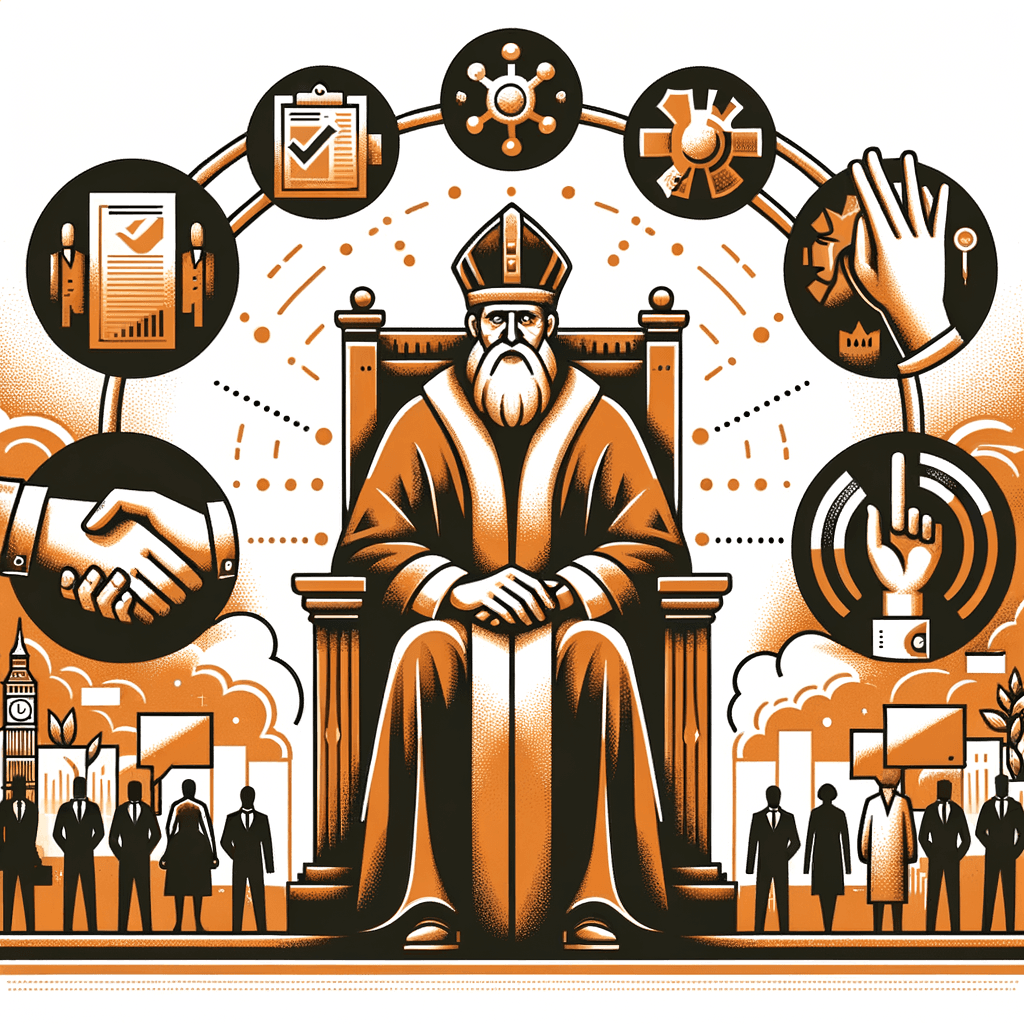
The Hidden Danger of "Almost-Good" Leadership
Leadership takes many forms. But the most dangerous leaders are not the ones who are openly cruel. The most dangerous ones are the ones who look kind.
These almost-good leaders will drive an entire organization into the ground while smiling the whole time. They hide behind process. They hide behind politeness. And nobody calls it out because it does not look like abuse.
Understanding the Almost-Good Leader
- Deceptive Kindness: They show just enough compassion to make followers believe they are competent. The warmth is real. The leadership is not.
- Polite Collapse: They never raise their voice. They never act with cruelty. But they also never prevent the slow erosion of morale, trust, and productivity.
- Paperwork Over Purpose: In places like Greyhall Monastery, this type of leader replaces meaningful action with bureaucratic ritual. They sacrifice purpose for procedure.
The novices at Greyhall saw the monastery as a sanctuary. The elders saw it for what it was. A system that ran on paper.
The Abbot's Commitment to Procedure
The Abbot of Greyhall was not cruel. That was the whole problem.
He avoided harshness. He did not show favoritism. Occasionally, he even expressed concern for a novice's well-being after a long shift.
Those small moments of kindness created misplaced trust. Novices wanted to believe he was sincere. They mistook his anxious demeanor for wisdom.
But underneath, they sensed something was off. Something deeper. Something unresolved.
The Stale Atmosphere
The air around the Abbot felt wrong.
A stale heaviness hung over every room he entered. Like a sealed space where everyone pretended that shallow breathing was normal. When the Abbot walked in, the atmosphere thickened. It carried the weight of everything that was never addressed.
The Ledger: A False Idol
The Abbot's real devotion was never to the monastery. It was to the Ledger.
The Ledger represented:
- Signatures confirming ritual completion
- Scrolls verifying past reviews
- An inspection process that polished only what was visible
- Urgent tasks that had no real urgency
- Endless scrutiny of formatting and phrasing
He was not leading. He was performing leadership. He turned minor tasks into major initiatives. He measured what was easy to measure and ignored what actually mattered.
The Ascension Rite: A Broken System
Promotions at Greyhall used to require real trials:
- A doctrine exam
- A craft exam
- A tally of years served without failure
- Additional commendations
But the system was already rotting. Mentors graded too leniently to avoid being labeled harsh.
When the Upper Cloister revised the process, they shifted power upward without fixing the evaluation problem. They replaced merit marks with blessings from elders. And they created a new breed of monk: the Ink Climber.
Ink Climbers were masters of being promotable. They knew how to look right on paper. Whether they could actually do the work was a different question entirely.
The Consequences of Ignored Problems
Beneath the surface, real problems were building.
- A novice broke under pressure.
- A safety concern nearly became a full crisis.
- Essential processes suffered from terrible training.
Fatigue accumulated silently. Like sediment in a river. Until it erupted into a flood.
The Abbot did not notice any of it. He was too busy chasing signatures. When a novice pointed out that trivial paperwork was being prioritized over real problems, the Abbot laughed it off and returned to procedural discussions.
Greyhall did not have a leader. It had an automaton with a quill.
The Upper Cloister's Blind Spot
Above Greyhall, the Upper Cloister loved the Abbot. On paper, he was flawless:
- Forms were immaculate
- Rituals happened on schedule
- Records were spotless
They praised him for discipline and attention to detail. They had no idea what was actually happening on the ground. Meanwhile, the novices had their own name for him: the Ledger Abbot.
When a leader worships documentation over people, ink becomes the true authority. Novices stopped doing meaningful work. They spent their time filling out forms. The Upper Cloister failed to measure the one thing that actually matters in leadership: Trust.
The Shadow Prior
As the Abbot drifted further into his ledger, the novices started trusting someone else. A Prior in the lower halls.
This person was not officially in charge. But they understood what actually mattered. They could prioritize. They could see people. Greyhall split into two factions:
- The Ledger Abbot maintained the illusion of order.
- The Shadow Prior dealt with reality.
Survival became a series of small sacrifices. Each one too minor to report. Together, they drained the morale and joy out of everyone.
The Mirror Chapel
One day, a novice told the Abbot the truth to his face. You serve the Ledger, not the monastery.
The Abbot looked confused. He could not process it. But the Mirror Chapel does not lie. It reflects the spirit of whoever enters. And it revealed the real monster: the system that propped him up.
That system rewarded surface metrics. It punished nuance. It built a culture of anxiety where everyone was busy but nothing real ever got done.
The Counter-Spell
The novices stopped trying to fix the Abbot. They shifted focus to protecting the monastery itself. Their counter-spell was simple:
- State the real priorities clearly.
- Reject false urgency.
- Route requests through the Shadow Prior for actual triage.
- Document reality for their own records.
- Protect what sustains them: rest, learning, and camaraderie.
The Ledger Abbot kept going. Calm. Efficient. Oblivious.
But the novices had gained something more powerful than his approval. They gained understanding.
The first step toward breaking a spell is acknowledging that you are under one.