Why Ancient Temples Were Designed to Mirror the Human Body
essay
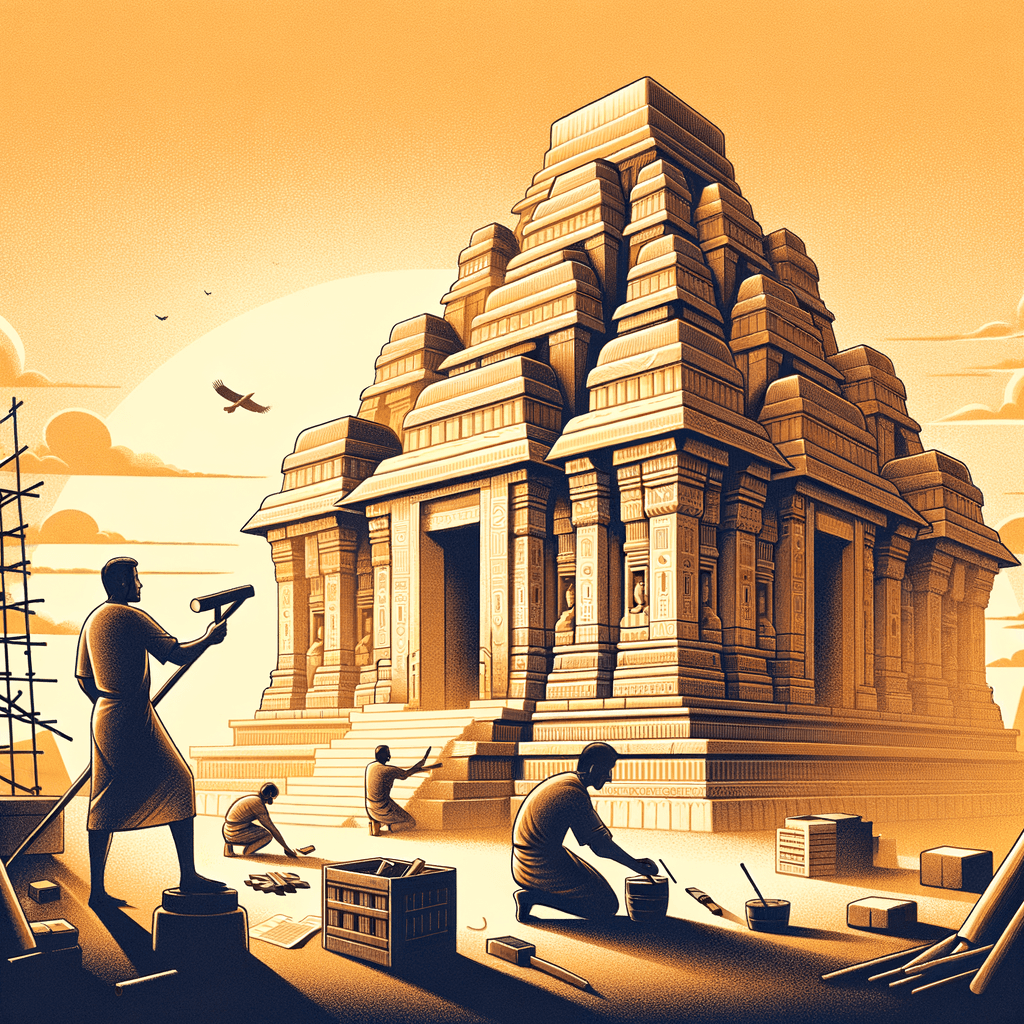
Temples Were Not Buildings. They Were Bodies.
The idea that ancient temples were designed to look like the human body sounds like a metaphor. It was not. For the people who built these structures, it was a practical decision. Walking into a temple was supposed to feel like walking into yourself. That was the entire point.
The Body Came First
The human body was the most sacred thing in their world. It held consciousness, breath, emotion, dreams. Everything. So the logic was simple. If a person is a living temple, then any physical temple you build must reflect that same design. Otherwise you are just stacking stones. You are building a corpse.
But this was not just philosophy. There were real, tangible benefits to building this way. Psychological, spiritual, and cultural.
Why They Built Temples Like Bodies
- Self-Understanding: Entering a temple was like walking through a map of your own anatomy. Each room matched a layer of consciousness. The outer courts were your surface thoughts. The inner chambers were your emotional depths, your hidden motivations, the parts of yourself you avoid. The holiest chamber? That was the mind. The sanctuary of your divine spark.
You did not need a lecture. You walked through the space and it taught you about yourself.
- Experiential Learning: Mystery schools did not hand you a textbook. They put you through it. A temple shaped like a body let you physically move from the outer limbs toward the head. From ordinary existence into higher consciousness. You experienced the transformation in your own two feet.
The architecture was the teacher. The space itself was the guide.
- Cosmic Alignment: The ancients believed the universe runs on patterns. The same patterns that exist in your body. So building a temple with those proportions meant aligning human activity with cosmic order. Rituals inside these structures hit harder because they were performed inside a physical model of universal design.
This was not superstition. This was engineering consciousness.
- Active Participation: You did not watch the mysteries from a safe distance. You stepped into them. Crossing the threshold meant entering a space that mirrored the human microcosm. Even if you did not understand the symbolism, you felt the shifts. The change in light. The change in sound. The weight of the space pressing on you.
The architecture itself put reverence in your bones.
- Unity of Sacredness: This is the most important one. When a temple mirrors the human body, it sends one clear message: the divine is not somewhere else. It is not locked in a stone building. It cannot be hoarded by priests or institutions.
The divine lives in you.
The temple was just the reminder.
When people walked out of these places, they carried that realization with them. The same structure, the same chambers, the same light that filled the holiest room also existed inside their own bodies.
This Changes You
This kind of architecture does not just reshape cities. It reshapes people. The connection between the temple and the human body is a reminder of something you were never supposed to forget. You are sacred. Not because someone told you so. Because that is literally how you are built.